
Merchant Center checklist for a Bulgarian online store
12 проверки в Merchant Center, които решават дали продуктите на български магазин ще бъдат одобрени за Google Shopping.CSS for Google Shopping: what it is and when a Bulgarian store needs it
CSS е задължителен за Shopping реклами в 21 европейски държави, сред които Гърция и Румъния. Кога е нужен на български магазин и как се избира партньор.
Google Shopping in Bulgaria: status as of October 2026
Към 14.10.2026 Google Shopping не е официално пуснат в България. Какво казва официалната таблица на Google, откъде идват датите за старт и как да подготвите магазина.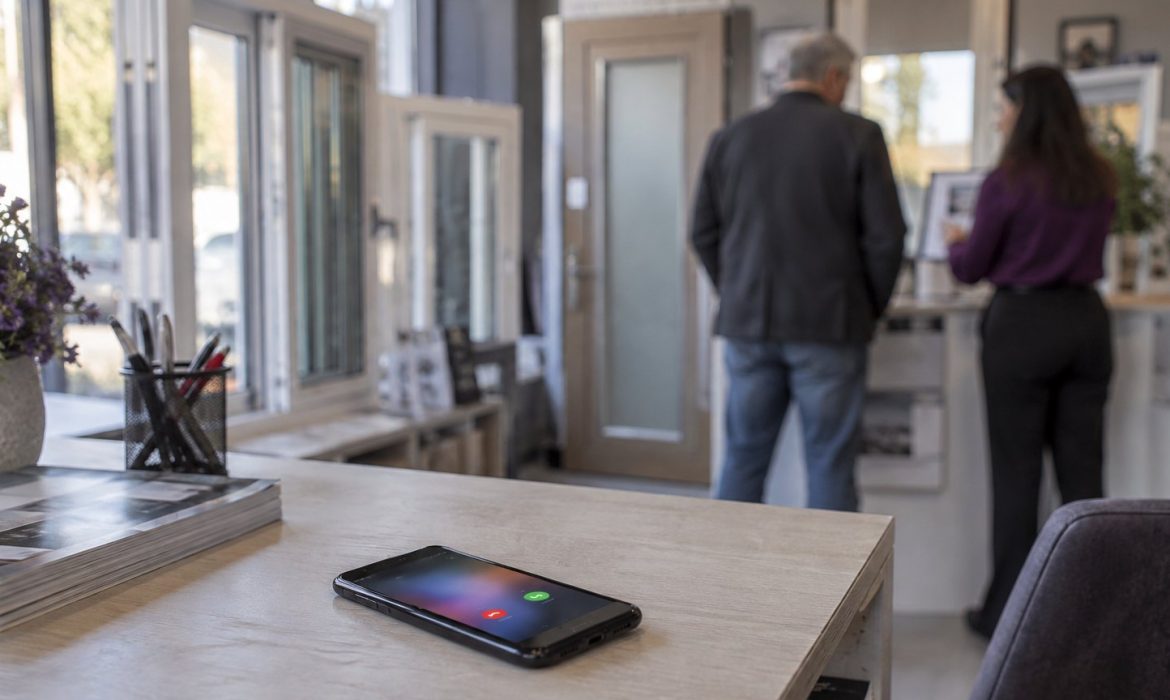
Why a window and door enquiry is lost within the first two minutes
The call starts with a question about price and often ends with it. The mechanism behind this and what in the ad decides the conversation, before the phone even rings.
How window and door advertising can bring in measurements, not curiosity
An enquiry without measurements is not a quote but the start of another conversation. How the promise in the ad and the fields in the form decide whether the salesperson will have anything to calculate with.
The calls your service garage’s ad account does not see
Bookings at the garage are made on the phone, while the ad account sees only clicks and forms. What exactly happens to optimisation when the most important signal is missing.
Google advertising for a car repair shop on the day of the breakdown
A car repair customer searches on the day the car breaks down and chooses by the evening. This changes which hours it makes sense to pay for, how far the radius reaches and what the ad copy does.
Why the advertising that brought the customer to the showroom looks like a loser
The customer walks into the showroom with a picture saved long before, and the ad that showed it to them was stopped because it looked weak. Here is how that happens and what can be put back into the account.
When the catalogue in Meta replaces manual creatives for furniture
Catalogue ads bring back what was viewed; a manual creative builds desire. Why a full feed pushes cheap items to the front, and where the line between the two runs for a furniture store.